about the organic farmer
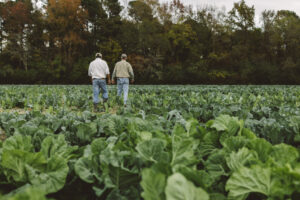
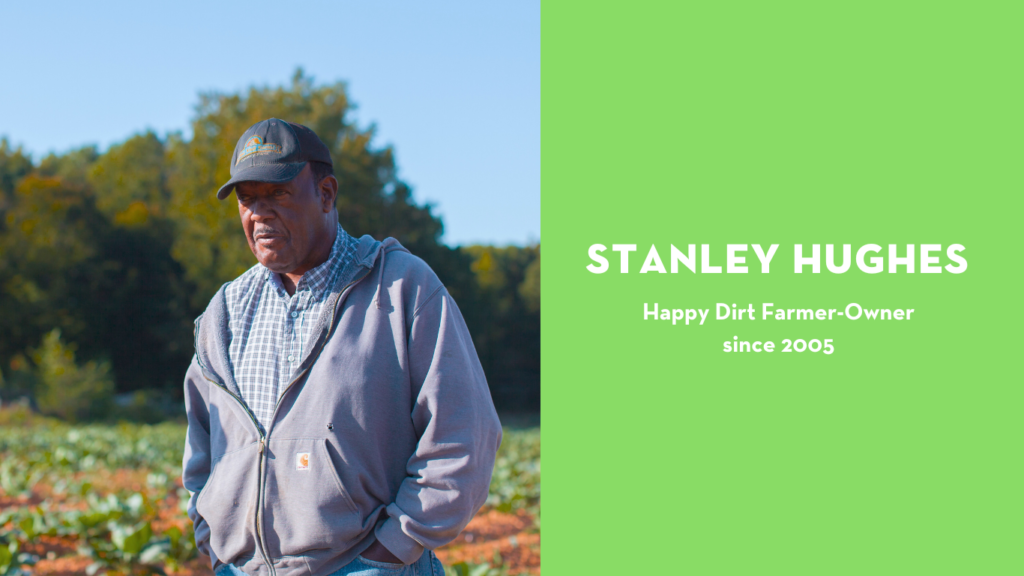
Stanley Hughes, a third-generation farmer and one of Happy Dirt’s original organic farmer-owners since 2005, often jokes, “you gotta work all the time just to stay broke,” but his story proves farming is about more than money.
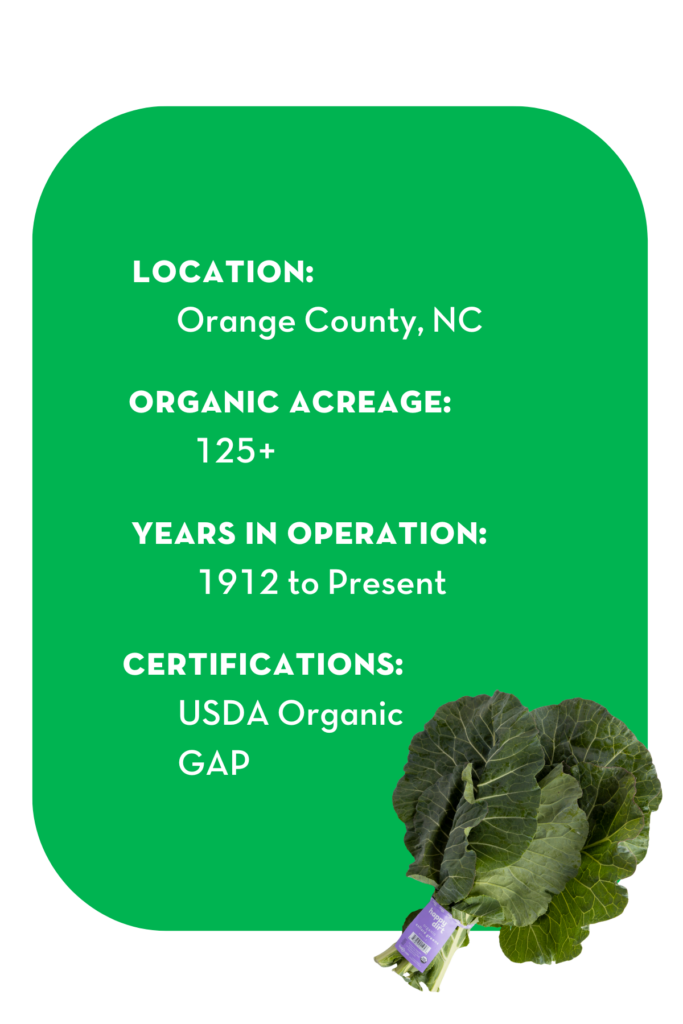
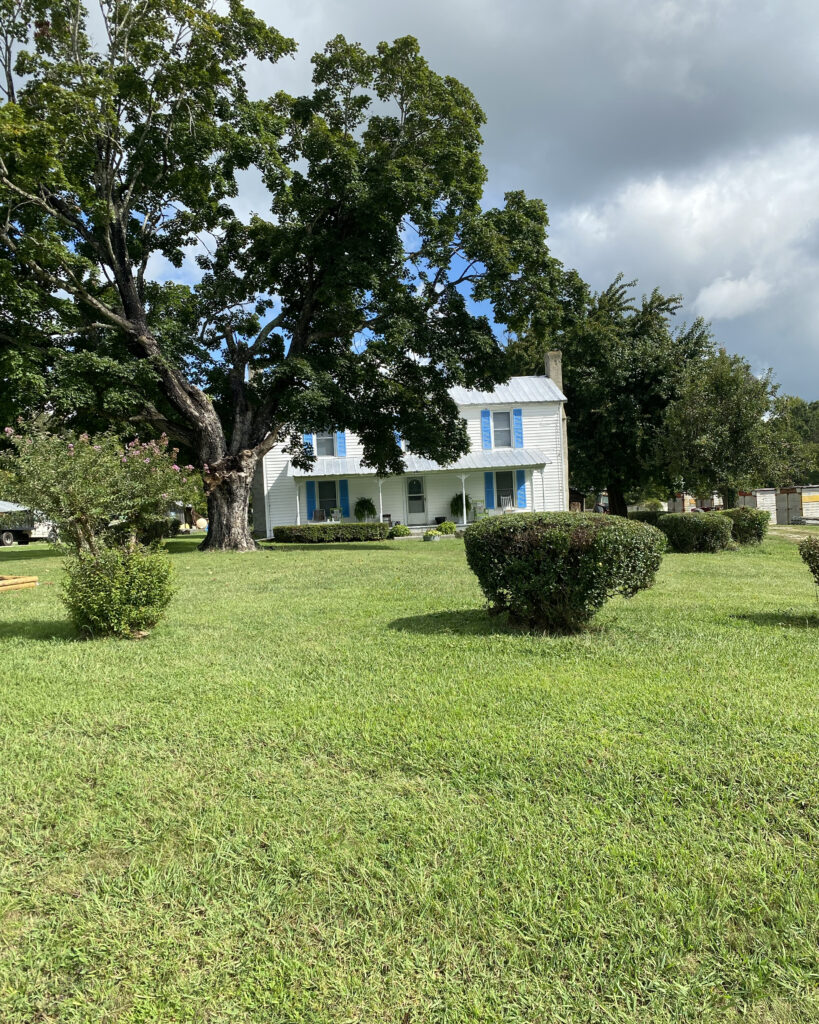
His grandfather bought the family land in Hurdle Mills, NC, in 1912 with a piece of hog-side meat, and Stanley has carried that legacy forward with grit and grace. Today, the farm is officially recognized as a century farm, a testament to over 100 years of family dedication and hard work.
After years of balancing factory shifts with farming, Stanley returned full time and became one of the first Black farmers in North Carolina to grow organic tobacco. As the owner of Pine Knot Farms, his organic collards, organic sweet potatoes, and storytelling keep the land and the community thriving. It’s an honor to know and worth with Stanley Hughes.
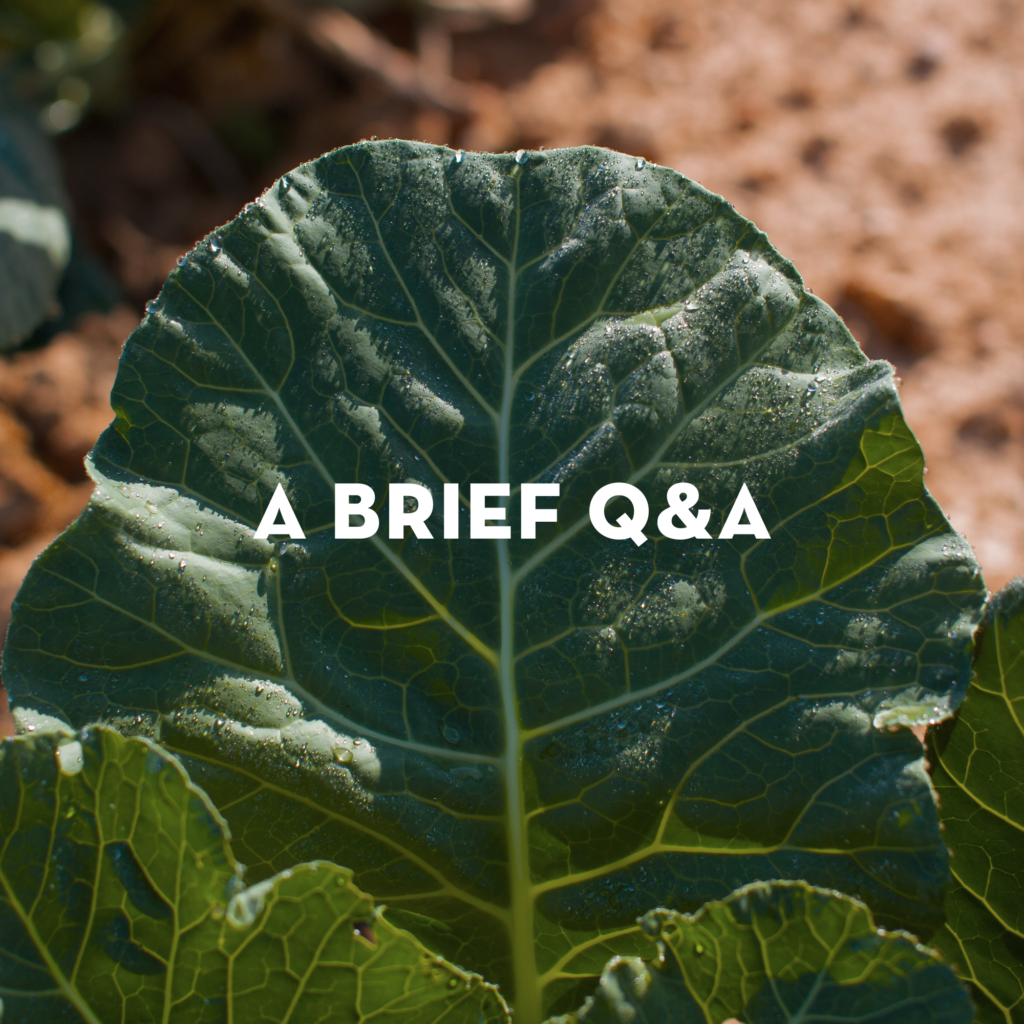
"you are only as good as the dirt you stand on."
Your farm has such a long history. How far back does it go?
My grandfather bought this land in 1912 with a piece of side meat from a hog. Back then, farming wasn’t just a job, it was survival. He grew corn, wheat, hogs, even cane for molasses. They didn’t run to the store for food, they ate what they raised. My dad kept it going after him, raising crops and animals for the family. I’m the third generation now, and every time I walk these fields, I think about all those years of hard work behind me. Like I always say, “You’re only as good as the dirt you stand on,” and this dirt has fed my family for over a century.
What made you decide to farm full-time?
For years I split my time, working factory shifts at night and farming by day. It wasn’t easy, but that’s what I had to do to keep things going. After I got laid off from Nortel, I came back to the farm full time. Around that time, I met with Operation Spring Plant, who were helping Black farmers transition into organic agriculture. They introduced me to organic tobacco, which was paying better than conventional. That’s what hooked me. It gave me a way to keep farming and opened the door to a whole new chapter.
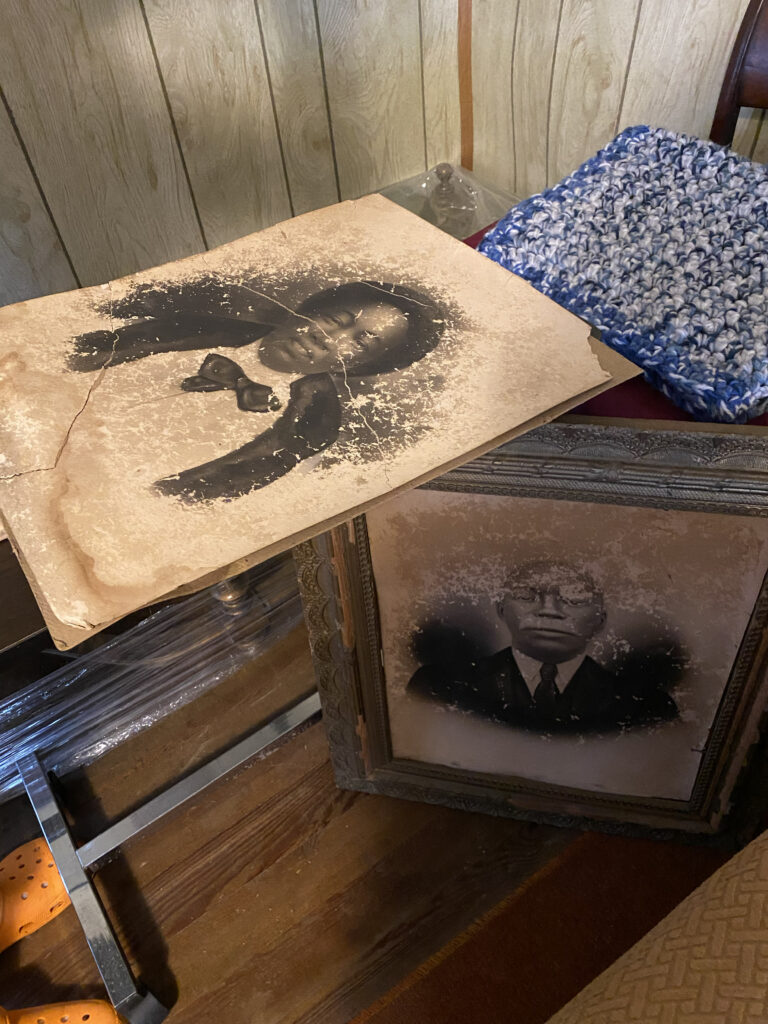
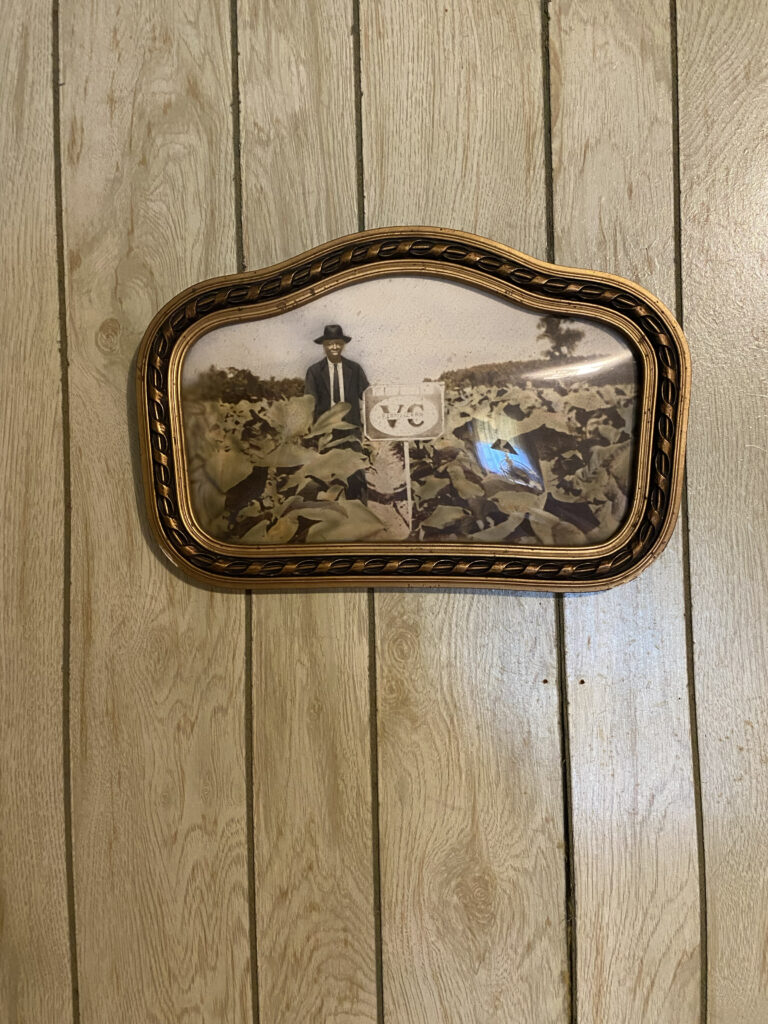
"Collards are simple but steady. You don’t need a lot of fancy equipment or a big crew, just your own two hands and some hard work."
You were one of the first Black farmers in North Carolina to grow organically. How did that start?
At first, I never imagined myself as an organic farmer. I started small with some organic tobacco and a few sweet potatoes. Then Philip Barker from Operation Spring Plant told me I ought to try collards and even gave me the plants to get started. I wasn’t sure if collards would sell, but I took the leap. Turns out he was right. Collards became my best crop, and I’ve been growing them ever since. That move really set me on the path to being one of the first Black organic farmers in the state.
Organic collards are kind of your signature crop. Why do you like growing them?
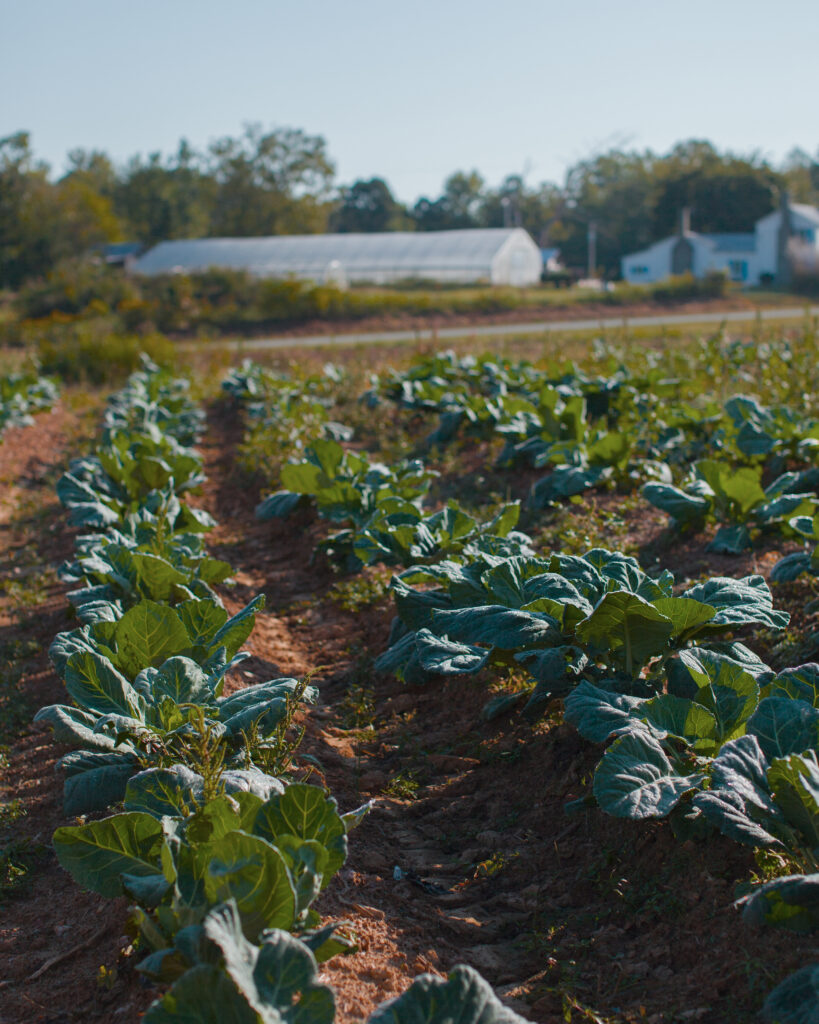
Collards are simple but steady. You don’t need a lot of fancy equipment or a big crew, just your own two hands and some hard work. Compared to tobacco or sweet potatoes, collards don’t cost much to grow, and people love them. They bring folks together at the table, and that makes me proud to grow them.
What’s the hardest crop you grow?
Sweet potatoes, no question. They take a lot of work from start to finish. You plant them, dig them, cure them, grade them, wash them, and pack them for market. It’s not just one day, it’s a process that stretches out for weeks. And don’t even get me started on the deer—they love sweet potatoes as much as people do. But even with all that work, they’re worth it. They’ve become a cornerstone of what I grow.
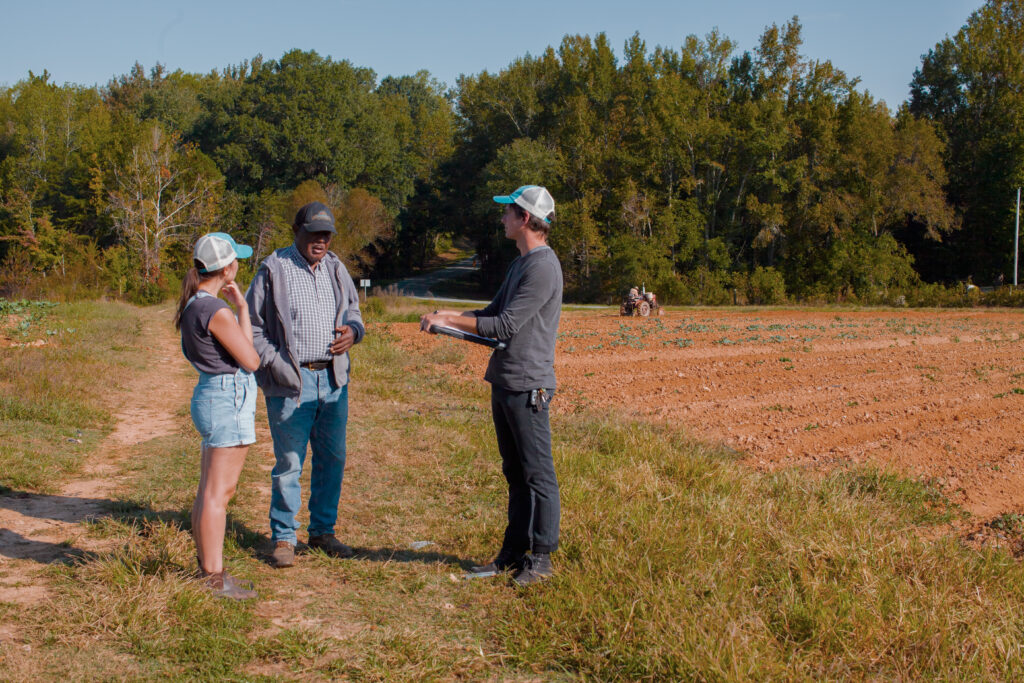
"I’ll never forget when we finally got a tractor. Up until then, we were still using mules."
What’s one of your favorite childhood memories on the farm?
I’ll never forget when we finally got a tractor. Up until then, we were still using mules. I used to tell my mama I wanted to be a big farmer like Mr. Jim, a white farmer down the road who had all the equipment. Getting that tractor made me feel like we were stepping into a new world. Even as a kid, I dreamed of being a farmer, and that moment showed me it was possible. I remember my mama saying, “Coffee will make you black,” and I laughed thinking, ‘Well, I’m already black, but I guess it’ll wake me up for farming.’ Those little sayings stuck with me.
Farming hasn’t always been easy. What’s kept you going?
Perseverance. Farming can test you in every way—financially, physically, emotionally. I’ve faced discrimination when trying to get loans, lost land, and weathered storms both literal and figurative. I’ve told young farmers before, if you want to farm, be ready to work all the time and stay broke. It’s a hard truth. But for me, farming isn’t just about money. It’s about carrying forward my family’s legacy, producing food that matters, and staying connected to the land. That’s what’s kept me going.
"When I look out over these fields, I see my grandfather, my father, and all the years of labor and love that came before me."
What does this land mean to you today?
This land means everything to me. I’m the only one of my grandfather’s descendants still farming it. Out of six children and generations of grandkids, I’m the one who stayed. Everyone else found jobs with retirement plans and steady paychecks, but I kept working the soil. It’s not always easy, but I feel a responsibility to keep it alive. When I look out over these fields, I see my grandfather, my father, and all the years of labor and love that came before me. Farming this land isn’t just my job, it’s my way of honoring them.
As a Black farmer, have you faced unique challenges?
Absolutely. Being a minority farmer in North Carolina comes with extra hurdles. Discrimination, less access to loans, people doubting you before they even know you—I’ve been there, seen that. But I don’t let it stop me. If anything, it motivates me to keep the farm going, to show that we belong in this space, and that we can grow amazing food organically. I want other young Black farmers to know it’s possible, even if the road is tough.
what they grow
Celery
Ichiban Eggplant
Fennel
Collard Greens
Green Kale
Covington Sweet Potatoes
Murasaki Sweet Potatoes
Purple Sweet Potatoes
Heirloom Tomatoes
If you’re a buyer and want to learn more about our North Carolina, organic produce availability, reach out! We’d love to hear from you. And if you’re curious and want to learn more about organic produce, farming, and our food system, sign up for Happy Dirt’s newsletter!