We all know winters in North Carolina can feel unpredictable. One year it is unusually mild, the next we are bundled up against sleet or snow. When freezing temperatures are forecasted for Florida farms, it feels important to pause and share what that means for the people who grow our food and for winter produce seasons across the Southeast.
At Happy Dirt, we rely on our Florida farmer-partners to keep fresh organic warm-weather produce flowing through the winter months, right up until North Carolina’s growing season ramps back up in spring. Crops like summer squash, tomatoes, peppers, eggplant, and lettuces are not built for cold weather, and freezing temperatures can damage or stop production altogether.
Why Florida Matters Right Now
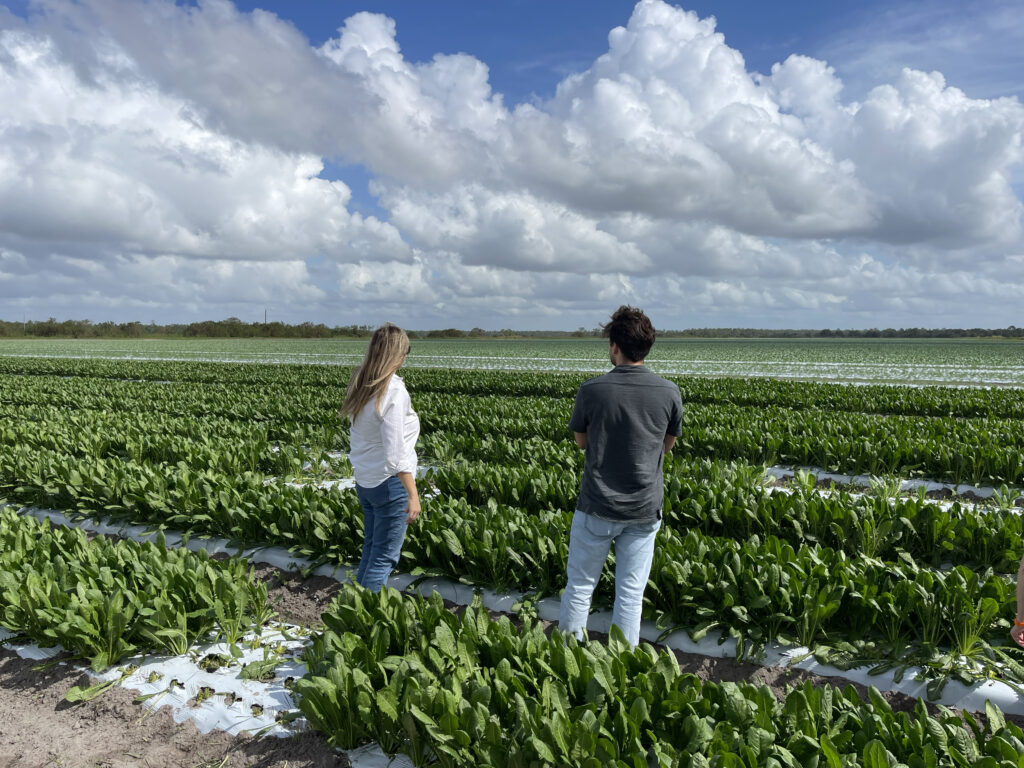
Forecasted freezes in Florida put many warm-season crops at risk. In the worst-case scenario, fields of tender vegetables like tomatoes, peppers, eggplant, squash, and leafy greens could be shut down earlier than planned.
When that happens, it is not just a weather headline. It can mean lost crops, lost income, and difficult decisions for farm families. Most farmers carry crop insurance to help offset losses, but it rarely covers the full cost of production or the labor invested along the way.
So when we hear news of freezes in Florida, it gives us an opportunity to slow down and recognize what is happening on the ground for our farmer-partners.
A Look at North Carolina Winters
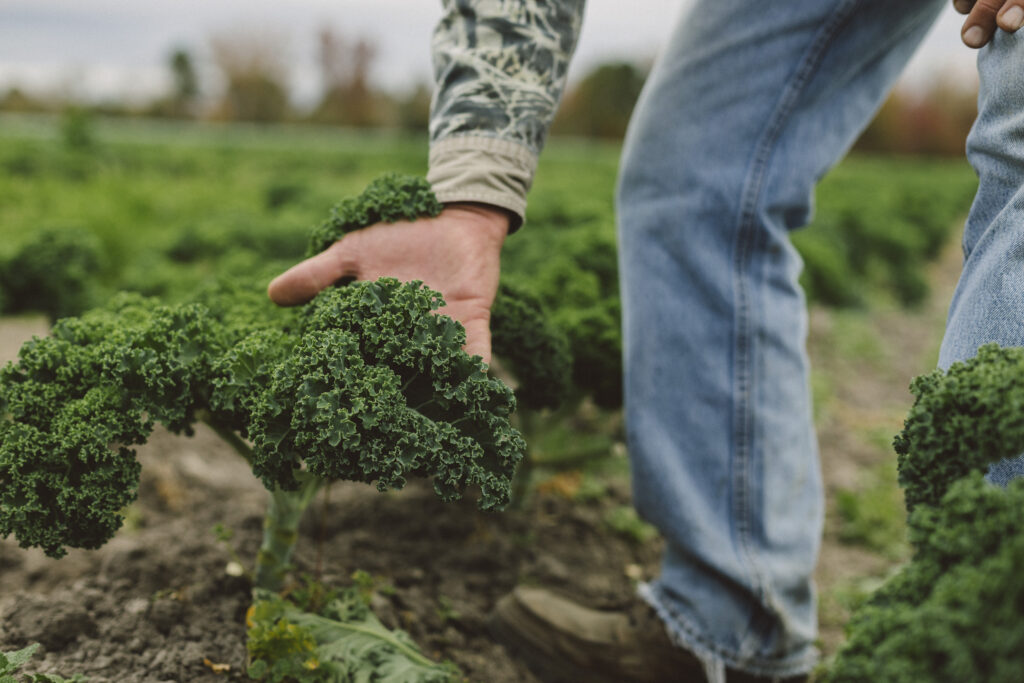
Here in North Carolina, many people have noticed winters feeling different over time, and long-term climate data supports that observation.
Average winter temperatures in North Carolina have increased compared with mid-20th-century averages, and many of the warmest winters have occurred in recent decades. That doesn’t mean we never get cold weather — far from it. Weather itself is variable and can bring a cold spell, snow, sleet, or drought in any given year (like what we’re seeing now). But the overall trend over decades is toward milder average winters, fewer very cold nights, and less persistent, deep winter cold compared with past generations.
That pattern has allowed some North Carolina farm-partners to extend cool-season crops in recent years. Greens, cilantro, and brassicas such as broccoli and collards have often stayed productive longer than they once did.
This winter, however, brought earlier cold snaps that slowed some of those crops and required us to lean on Florida supply sooner than planned. The good news is that many of those North Carolina crops should rebound as spring approaches and temperatures rise.
Weather Impacts More Than Fields
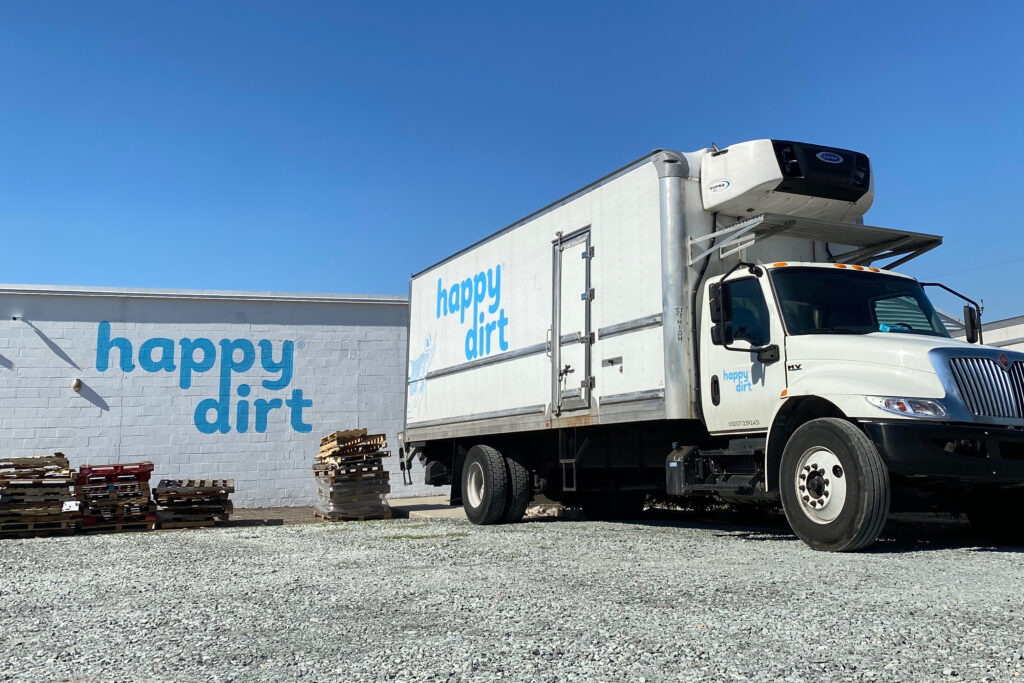
Cold weather does not stop at the farm gate. Ice and snow also affect the logistics that move food from farms to grocery stores.
When roads are unsafe, trucks can be delayed and routes rescheduled. Harvest schedules shift. Distribution centers adjust. Winter storms can ripple through the entire food system.
That is why we talk about seasonality and weather patterns. This is absolutely not to alarm anyone, but to offer a clearer picture of how food gets from the field to your table and how much coordination it takes when conditions change quickly.
Farmers Feel It First
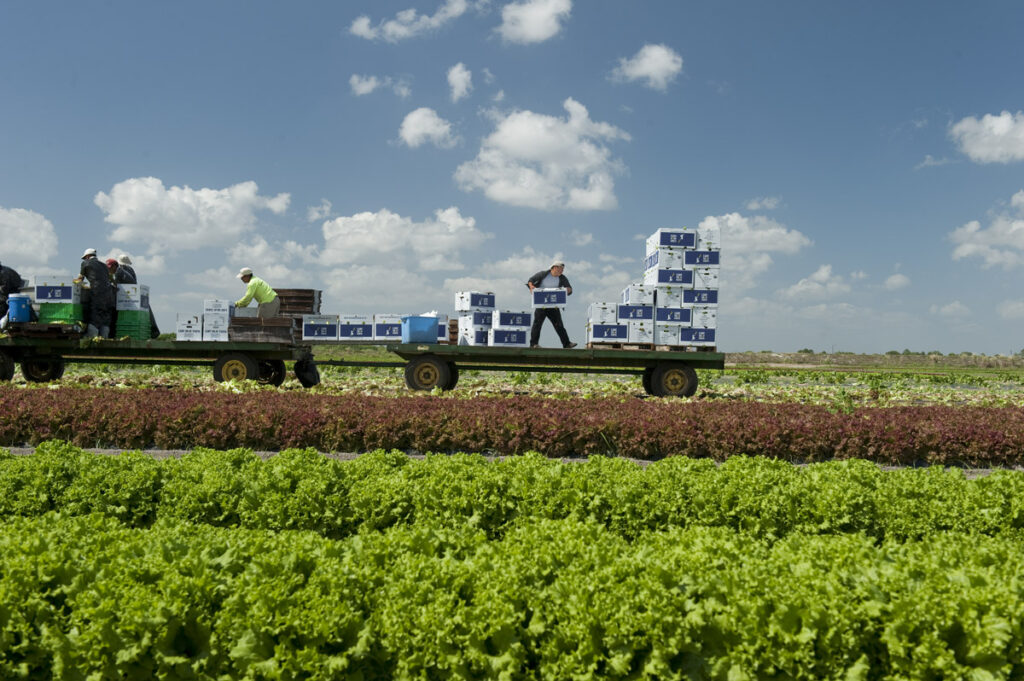
When extreme weather hits, farmers are usually the first to feel the impact.
If a crop is lost for the season, the income tied to it disappears as well. Crop insurance can help soften the blow, but it almost never covers the entire investment of time, labor, seed, and planning that goes into a field of produce. A freeze can create real financial strain and uncertainty about what comes next.
Staying connected to the seasons
At Happy Dirt, we believe transparency matters. Seasonal shifts, weather events, and farm conditions all influence what we are able to source and deliver, and we want consumers (all of us) to understand the realities our farm-partners face.
When you choose seasonal produce, stay flexible with substitutions, and continue supporting organic growers through unpredictable weather, it makes a meaningful difference.
Mother Nature does not always follow the forecast, but our commitment to farmers and fresh, responsibly grown produce stays the same.